Unleashing Creativity: The Power of the 1×1 LEGO Piece
The humble 1×1 LEGO piece may be small in size, but its potential is monumental. This article dives into the significance of this tiny, yet mighty, building block. From its versatile applications in creative construction to its role in the world of art and therapy, the 1×1 LEGO piece is a testament to imagination and ingenuity. We’ll explore the history of this iconic piece, its integration into modern creations, and how it inspires architects and artists alike. Join us on this journey as we unravel the profound impact of one of the smallest components in the LEGO universe, unlocking a world of possibilities with every colorful square.
The History and Evolution of the 1×1 LEGO Piece
LEGO, founded in 1932, has been a cornerstone in the world of toys, renowned for its simple yet profound concept—building blocks that inspire creativity. Among these blocks, the 1×1 LEGO piece stands out for its versatility and charm. Introduced early in LEGO’s history, the 1×1 piece has been a consistent element in sets, evolving over the decades in terms of color, texture, and functionality. Originally limited to basic colors, today’s 1×1 pieces boast a wide palette, including translucent and metallic options, exemplifying LEGO’s growth and innovation.
The 1×1 LEGO piece is more than just a building block; it’s a cultural icon. As LEGO expanded into themed sets and collaborations with various franchises, the 1×1 piece became fundamental in intricate designs and mosaics. Whether depicting famous landmarks or beloved movie characters, the 1×1 piece allows builders to capture fine details and create intricate patterns, proving its enduring relevance and adaptability in the LEGO universe.
Building Blocks of Creativity: Applications in Construction
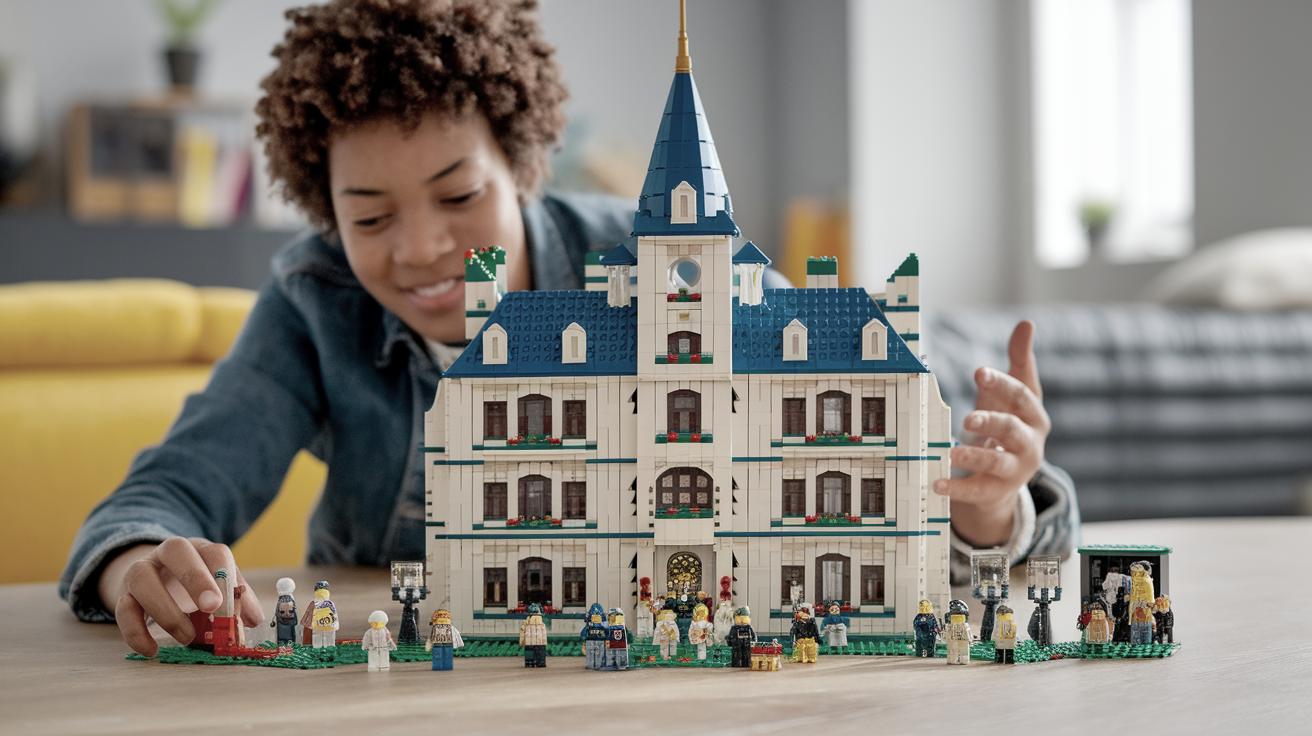
In the realm of construction, the 1×1 LEGO piece is a vital component for creating detailed and sophisticated structures. Its compact size makes it ideal for adding delicate details to buildings or landscapes, offering an element of precision that larger blocks cannot. Architects and enthusiasts often use the 1×1 piece to represent windows, decorative elements, or minute features that bring a model to life, showcasing its ability to elevate a design from simple to spectacular.
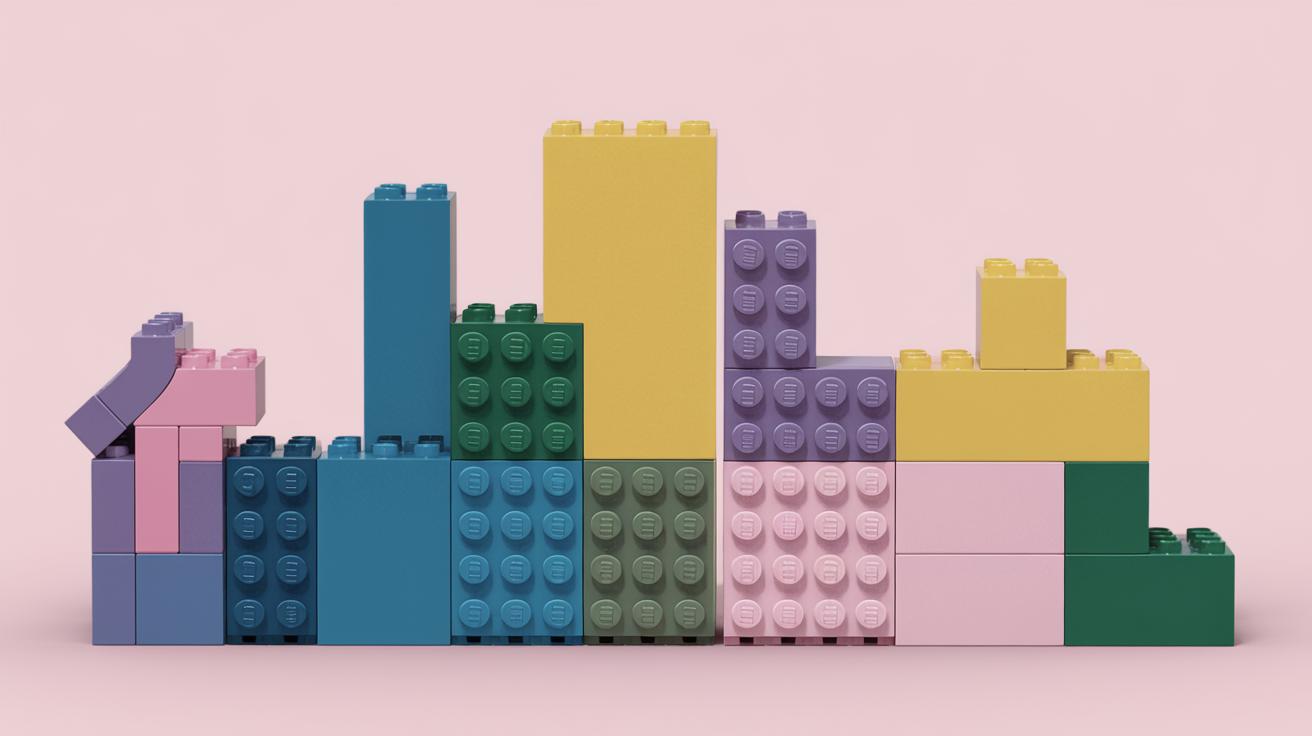
Apart from its use in traditional building, the 1×1 piece plays a crucial role in LEGO “microscale” constructions. In these projects, builders craft impressively intricate models on a much smaller scale, where each 1×1 piece serves a purpose. From creating sprawling cityscapes to iconic skyscrapers, this piece is indispensable in maintaining the balance between detail and compactness, pushing the boundaries of what’s possible in LEGO design.
The Artistic Influence of the 1×1 LEGO Piece
Beyond its structural applications, the 1×1 LEGO piece has permeated the world of art, allowing artists to create visually stunning and thought-provoking pieces. With its vast array of colors, artists utilize this piece to construct pixel-like images, offering a medium much like a painter’s palette. By meticulously arranging thousands of these tiny blocks, artists can form intricate images or abstract forms, transforming a child’s toy into an art form that speaks to audiences of all ages.
LEGO art installations often feature the 1×1 piece as a primary element, emphasizing its capacity to convey complex ideas and emotions through simplicity. In this domain, the 1×1 piece acts much like a pixel in digital art, each one contributing a small part to a larger masterpiece. This method of LEGO artistry not only highlights individual creativity but also demonstrates the limitless potential of the 1×1 piece as a tool for self-expression and innovation.
Therapeutic and Educational Uses of the 1×1 Piece
The benefits of the 1×1 LEGO piece extend into therapy and education, where it serves as a medium for growth and healing. In therapy settings, building with LEGO can aid in improving fine motor skills, enhancing spatial awareness, and fostering focus and concentration. The repetitive and hands-on nature of manipulating small pieces like the 1×1 helps engage individuals in a therapeutic way, promoting relaxation and mindfulness.
Educational institutions also harness the power of the 1×1 LEGO piece to inspire young minds. In classrooms, these pieces become tools for teaching mathematics, design, and engineering concepts. The tactile experience of building with LEGO allows students to grasp abstract concepts through practical application, nurturing problem-solving skills and encouraging creativity. Thus, the 1×1 piece serves as an invaluable resource in both personal development and education, proving its versatility beyond play.
Lessons Learned from the Smallest Building Block
| Aspect | Summary |
|---|---|
| History and Evolution | The 1×1 LEGO piece has evolved from basic colors to offering a wide array of options, maintaining its place in cultural and practical applications. |
| Applications in Construction | Serving as a crucial component for precise and detailed builds, particularly in microscale projects, enhancing the overall quality of models. |
| Artistic Influence | Utilized by artists to create pixel-like images, the 1×1 piece exemplifies the intersection of simplicity and complexity in LEGO art. |
| Therapeutic and Educational Uses | Supports therapeutic activities and educational endeavors, offering benefits for motor skills and conceptual learning. |