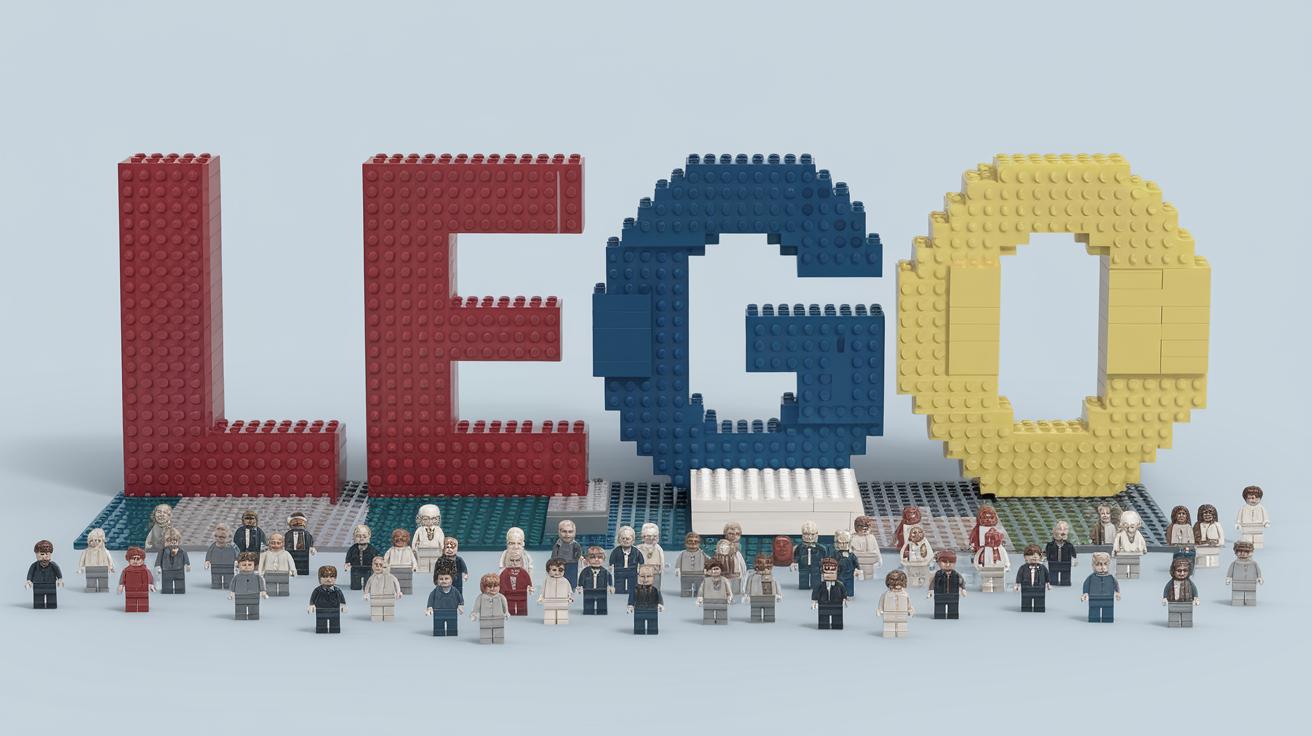
What Does LEGO Stand For?
LEGO is more than just a brand of building blocks that have sparked the imaginations of millions worldwide. It’s a cultural phenomenon and an icon of creativity and innovation. This blog post will delve into the history and significance of LEGO, beginning with an exploration of what LEGO stands for. We’ll then trace its origins and journey through to its current status in the industry. Moreover, we’ll highlight how retailers like Bricks & Minifigs John’s Creek are contributing to the LEGO community. By the end, you will better understand LEGO’s profound impact on both individuals and the world at large.
Meaning of the Word
Many people might not realize that the name LEGO is derived from Danish words. The term “LEGO” is an abbreviation of “leg godt,” which means “play well” in Danish. This simple yet profound name perfectly encapsulates the essence of what LEGO aims to inspire in individuals—knowledge and fun through play. This philosophy has remained at the core of the company’s mission from its inception.
In addition to its literal meaning, the LEGO name has become synonymous with quality and creativity. At the heart of LEGO’s brand identity is the belief that playing is essential for children’s development and happiness. Over the years, the name LEGO has evolved from its humble beginnings to represent an entire universe of engaging play experiences.
How It All Began
The story of LEGO begins in a small workshop in Billund, Denmark, where Ole Kirk Christiansen, a carpenter, first crafted wooden toys. It was 1932, and Christiansen’s focus was on creating high-quality products. Two years later, the brand LEGO was born. The introduction of the LEGO brick in 1958 marked a pivotal moment, revolutionizing how children (and adults) would play and build.
With the invention of the LEGO brick’s unique interlocking system, the possibilities for creativity and construction were limitless. This technical innovation set LEGO apart, allowing users to build structures that were sturdier and more complex than ever before. The company continued to grow throughout the 20th century, expanding globally and constantly introducing new themes and sets that captured the imagination of children and adults alike.
LEGO Today
Fast forward to today, LEGO has transcended its role as a toy manufacturer to become a multifaceted brand that spans entertainment, education, and culture. LEGO sets now cater to a diverse range of interests, including architecture, robotics, and movie franchises like Star Wars and Harry Potter. Each set aims to inspire builders of all ages to explore their creativity and ingenuity.
Moreover, LEGO has made significant strides in sustainability and community outreach. The company has committed to using sustainable materials for its bricks and packaging, ensuring a greener future for generations of builders. LEGO’s focus on education also extends to STEAM (Science, Technology, Engineering, Arts, and Mathematics) programs, aiming to foster critical thinking and problem-solving skills in children worldwide.
Bricks & Minifigs John’s Creek Contribution to the LEGO® World
Bricks & Minifigs John’s Creek, a cherished hub for LEGO enthusiasts, plays an essential role in nurturing the LEGO fan community. This retail store specializes in new and recycled LEGO sets, offering a vast selection that caters to collectors and builders of all ages. By providing a space for trading, buying, and selling, they ensure that every LEGO piece finds a place where it can inspire creativity once more.
Beyond its business activities, Bricks & Minifigs John’s Creek actively engages with the community through workshops, events, and parties. They serve as a lighthouse for LEGO creativity—a place where people can share their love for building and where new enthusiasts are welcomed into the fold. Stores like Bricks & Minifigs John’s Creek are instrumental in keeping the spirit of LEGO alive, turning every visit into an opportunity for imagination.
Final Thoughts
| Aspect | Details |
|---|---|
| Meaning of LEGO | “Leg godt” meaning “play well” in Danish. |
| Origin | Founded by Ole Kirk Christiansen in Billund, Denmark, 1932. |
| Significant Invention | Introduction of the interlocking LEGO brick in 1958. |
| Modern Scope | Expands into various themes, focuses on sustainability and education in STEAM. |
| Community Contribution | Bricks & Minifigs John’s Creek fosters a strong LEGO community with diverse activities. |