Is the LEGO Movie Stop Motion?
The LEGO Movie captivated audiences with its unique animation style, leaving many to ponder whether this beloved film was created using stop motion. In this exploration, we will delve into the intricacies of the movie’s animation techniques, highlighting the brilliant fusion of CGI and stop motion aesthetics that brought the LEGO universe to life. Additionally, we will provide insights into how aspiring filmmakers can embark on their own journey of creating LEGO movies, with tips and guidance for both beginners and experienced enthusiasts. By understanding the animation process and exploring DIY methods, fans can appreciate the creative brilliance behind the scenes and perhaps even inspire future stories told with those iconic brick creations.
How was the LEGO Movie Animated?
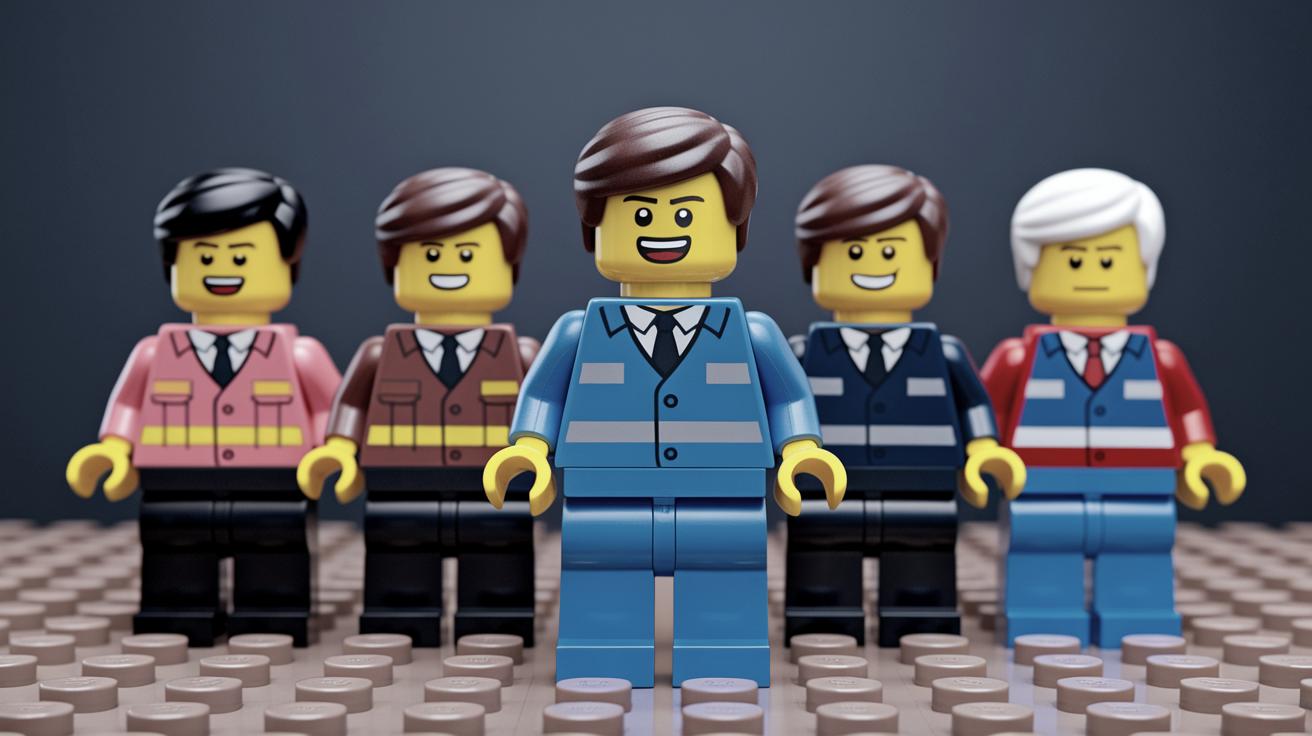
Upon its release in 2014, The LEGO Movie sparked curiosity about its animation process. Although the film boasts a distinctive stop motion style, it primarily used computer-generated imagery (CGI) to create the animated world. Directors Phil Lord and Christopher Miller, along with the talented team at Animal Logic, meticulously crafted each scene to mimic the characteristics of traditional stop motion animation. This approach allowed for immense creativity, flexibility, and precision in bringing the LEGO characters and environments to life.
The film’s animators took great care to ensure that movements adhered to the limitations and physical logistics of real LEGO bricks. This meant applying virtual “studs” and “bricks” within the CGI framework to replicate the authentic look and feel of stop motion. This technique gave the movie its handmade appearance, a nod to the DIY stop motion LEGO films often created by fans worldwide. By blending modern CGI with the nostalgic charm of stop motion, the filmmakers succeeded in crafting a visual spectacle that resonated with audiences across all ages.
Attention to detail extended to lighting and texture, where creators intentionally included imperfections such as fingerprints or slight smudging on LEGO pieces to reinforce the tactile experience. This dedication to authenticity anchored the digital animation in a realm familiar to LEGO enthusiasts and allowed the film to achieve a perfect balance between illusion and reality, vividly bringing the whimsical LEGO world on screen.
Make Your Own LEGO Movies!
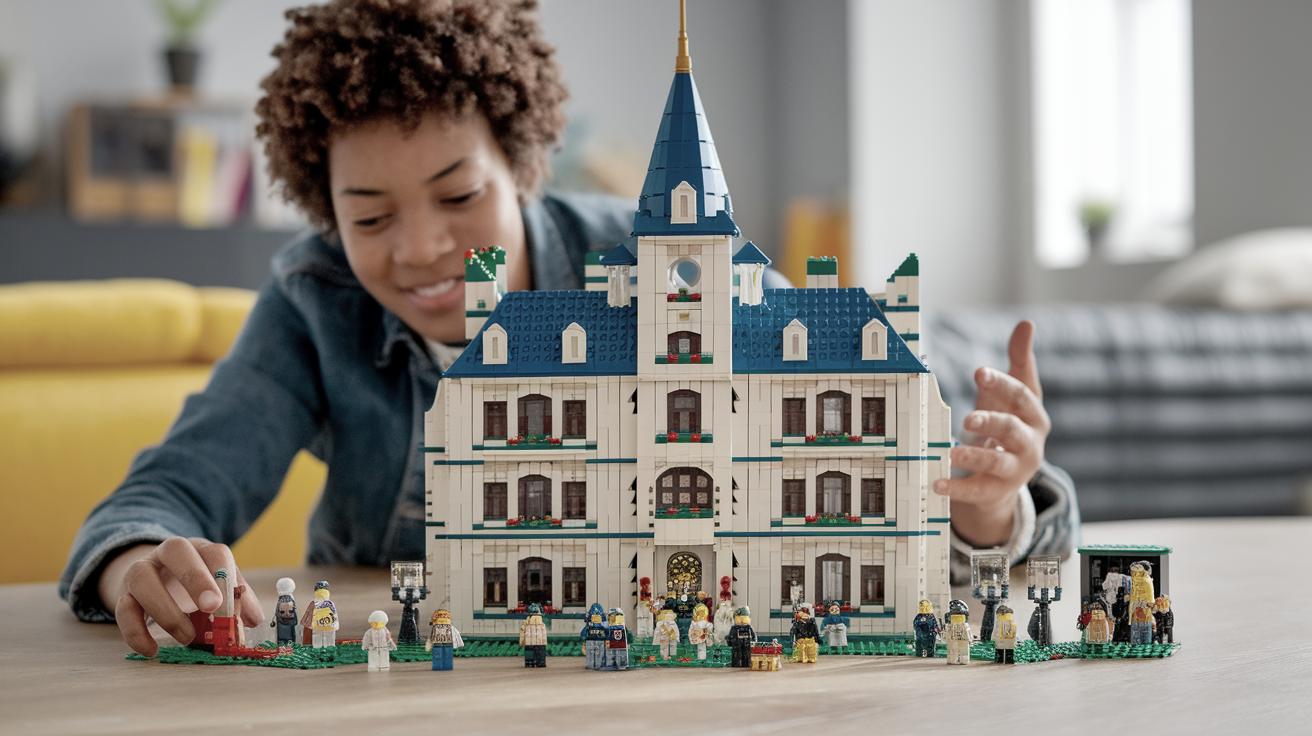
Creating a stop motion LEGO movie is a rewarding adventure that combines storytelling, creativity, and technical skills. Aspiring filmmakers can start their journey with minimal equipment: a camera (or smartphone), a tripod, software for editing, and, of course, a collection of LEGO sets and minifigures. For beginners, simple storylines with limited characters and sets are best. As proficiency develops, more complex tales can unfold, featuring diverse characters, action sequences, and intricate plot developments.
Lighting and setup are fundamental to achieving a professional-looking stop motion film. Consistency in lighting prevents unwanted flickering between frames and ensures that visuals maintain coherence throughout the film. Filmmakers are encouraged to consider backdrop choices and camera angles, enhancing the storytelling perspective and keeping viewers engaged. For those new to stop motion, dedicated software can aid in streamlining the editing process, providing features to adjust frame rate, add sound effects, and integrate voiceovers seamlessly.
With dedication, patience, and practice, creating LEGO stop motion movies can become an enriching hobby or even evolve into a career. Today, the internet provides a plethora of resources, communities, and tutorials for LEGO enthusiasts to share their creations and develop their skills further. By telling their unique stories, creators not only celebrate their love for LEGO but also keep the magic of stop motion animation alive for future generations.
Movies
Beyond The LEGO Movie, numerous films and short videos have embraced the LEGO aesthetic. The LEGO Batman Movie and The LEGO Ninjago Movie continued the legacy, each using CGI to emulate the charm of stop motion animation. These films expanded the LEGO universe, exploring different genres and narratives, attracting broader audiences and captivating fans of all ages.
Independent filmmakers and hobbyists have also made significant contributions to LEGO film culture through short movies shared on platforms like YouTube. Enthusiasts recreate scenes from popular films, produce original narratives, and experiment with different techniques to keep the art form thriving. By exploring various genres—from comedy and action to drama—these creators reinforce the versatility of LEGO as a storytelling medium.
The global community of LEGO filmmakers grows relentlessly, driven by passion and imagination. As technology evolves, the bridge between professional and amateur filmmaking continues to shrink, allowing for richer stories and more intricate productions. LEGO’s role as a tool for creative expression ensures that this unique style of filmmaking remains a flourishing segment in the cinematic landscape.
Future Prospects
| Aspect | Details |
|---|---|
| Animation Style | Combination of CGI with stop motion aesthetics |
| Key Features | Attention to detail, tactile imperfections, adherence to physical LEGO constraints |
| DIY Filmmaking | Minimal equipment needed; accessible for beginners and enthusiasts |
| Community Impact | Online platforms and resources support a vibrant community of creators |